Eco-friendly voting: How online platforms Reduce Environmental Impact
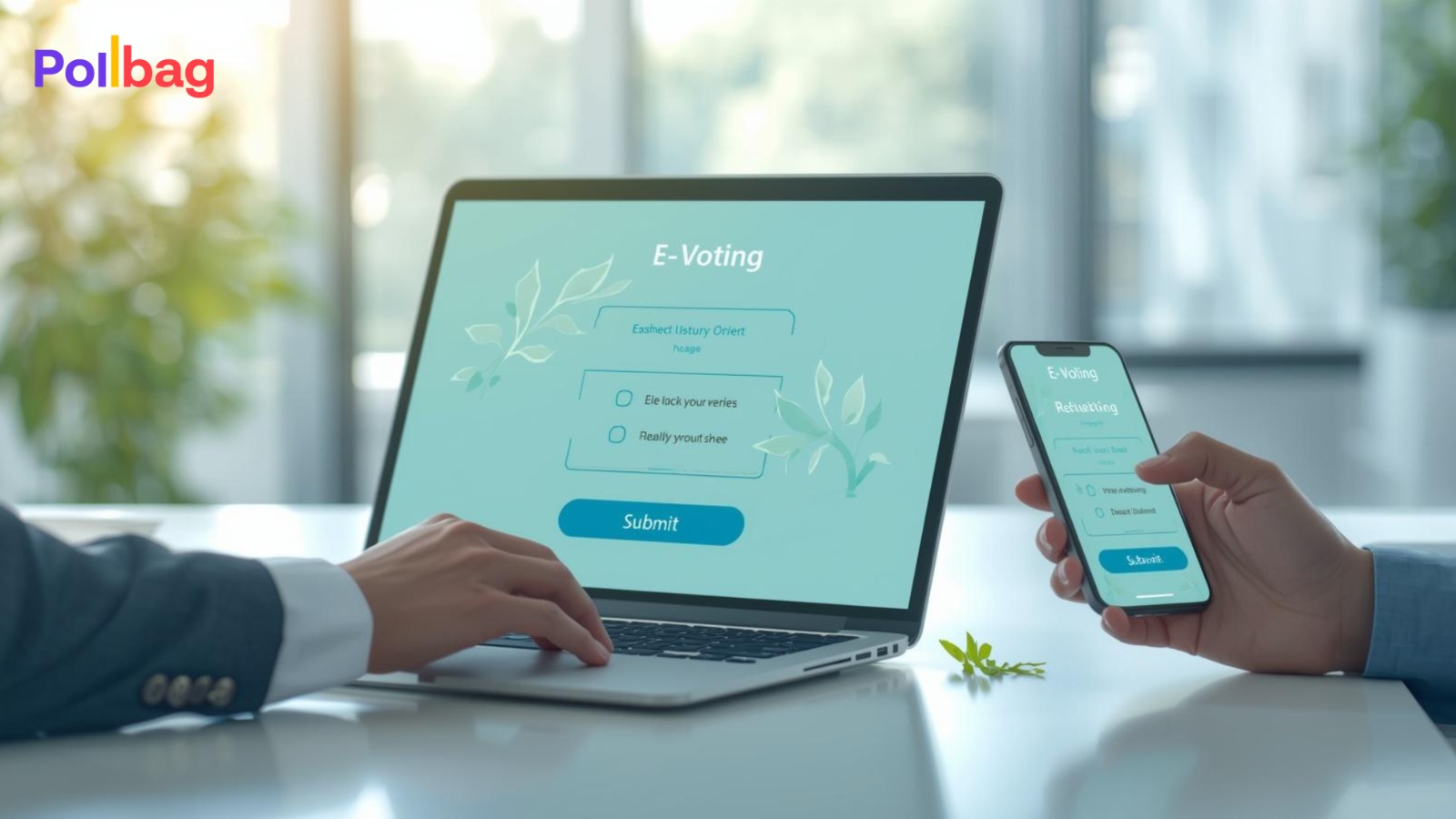
The world is looking towards digital solutions for every aspect of its life. Even polling has turned online and digitalized, and it reduces the environmental impact associated with paper voting methods. An electronic voting system is a modern and efficient solution that allows individuals to vote from their devices and eliminates the need for physical resources.
Also, it helps to overcome common challenges and problems related to casting a vote due to office schedules, overwork, business commitments and engagements, and traffic congestion. E-voting makes it convenient and accessible for everyone. When people walk into polling booths, they have to decide within a limited time and under certain pressure to select a candidate. However, voters using the e-voting system can take their time to review the candidates and make an informed voting decision from their phone or tablet at their home or office.
There are several benefits of electronic voting over traditional methods, mostly in terms of security, accuracy, and speed. But one must be aware that e-voting is a cleaner and more sustainable process in many ways. There are many sustainability benefits of using online voting systems. Here are a few of them:
1. The elimination of the usage of paper
The traditional method of voting requires millions of ballot papers, thousands of envelopes, voter slips, and printed materials. The need for physical paper is eliminated in the electronic system of elections. It conserves natural resources and reduces landfill waste in the long run.2. Physical infrastructure not required
There is no need for large physical infrastructure to set up polling stations and ballot-counting booths. The requirement for electricity and human resources in constructing temporary structures is thus reduced. Online platforms are operated through digital devices that are energy-efficient.3. No carbon emission
There is no need for transportation of voters, election duty staff, supplies, and materials for elections and EVM machines. These transport-related carbon emissions are reduced to a large extent and help decrease fuel consumption.
4. Reduced post-election waste
How to counter the cons of e-voting?
We know that allowing decision-making through voting keypads that only feature a Yes or No button is suitable even for illiterate members in society elections. However, sometimes a lack of digital literacy can be a hindrance to completing the voting process comfortably. So, the solution to such a problem is color-coded buttons or tabs. Individuals can use the blue color for confirmation and the red color for denial. Individuals who are visually disabled can use Braille overlays to ensure that their choice is marked and their vote is counted.
Conclusion
Eco-friendly elections of your company or group housing society can be conducted with an e-voting system. For more information on all e-voting services provided by the company, contact Pollbag. Pollbag is the preferred e-voting platform for electronic elections in institutions, companies, and RWA societies. For those looking for a secure and reliable website, E-Voting System | E-Voting India & Online Opinion Polls offers a well-managed e-voting system.